Dull Marble Floors
Assess polishing or refinishing options for surfaces affected by wear or unsuitable cleaning.
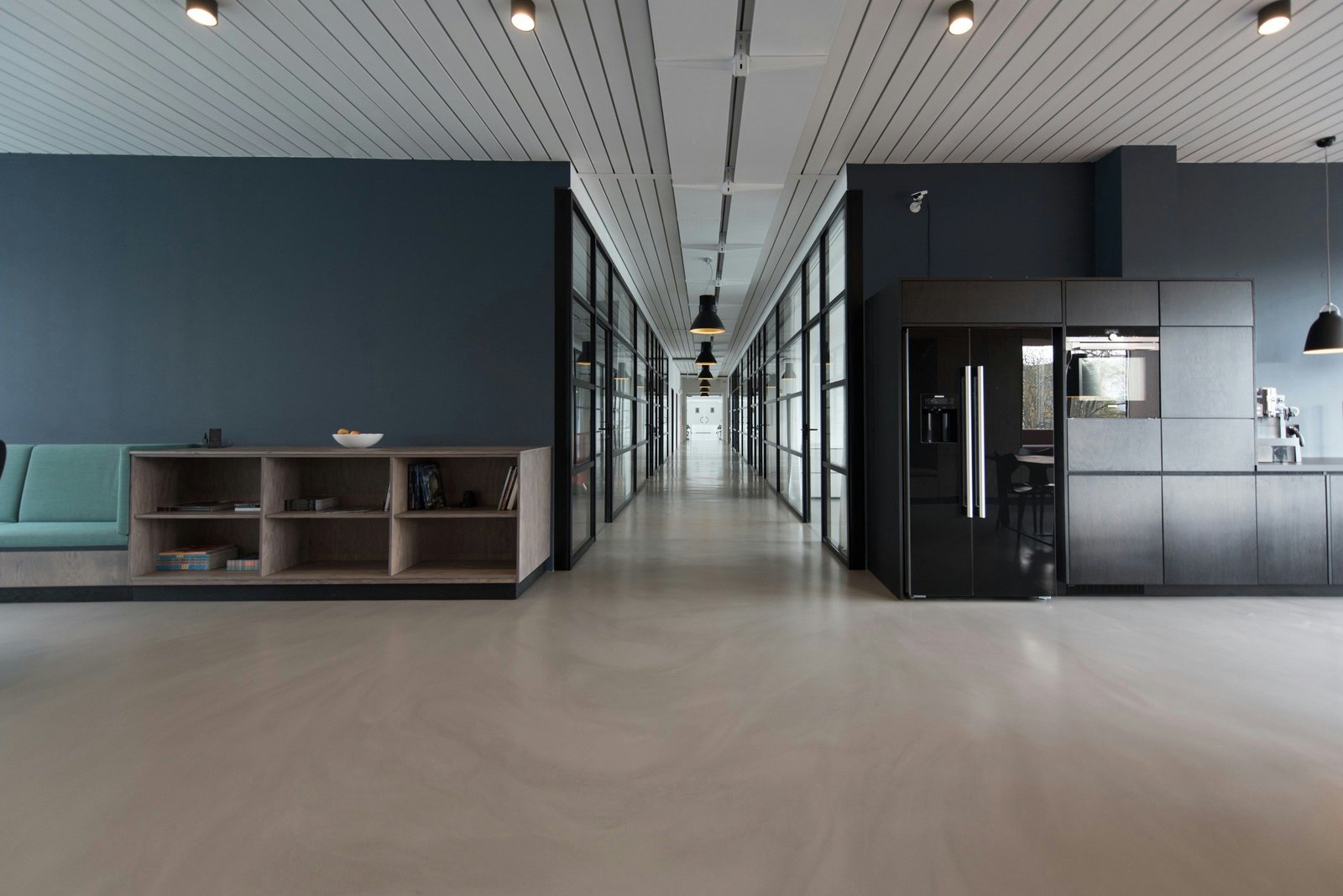
Marble, tile and natural stone surfaces can add a refined appearance to homes and commercial properties. Over time, regular foot traffic, cleaning products, moisture and accidental damage may affect their finish. Dull surfaces, light scratches, visible stains and uneven shine can reduce the appearance of otherwise well-maintained flooring. Innofix Renovation provides tile, marble and stone polishing or restoration services in Singapore, helping property owners explore appropriate treatments based on material and condition. Not every surface can be polished in the same way. Natural marble, homogeneous tiles, ceramic tiles and other stone materials have different characteristics and may require different methods. Our approach begins by identifying the material, reviewing visible wear and determining whether polishing, cleaning, targeted repair or another restoration method is appropriate. Suitable restoration may improve appearance without complete flooring replacement.
Choose suitable surface treatments according to the floor material, current finish and extent of wear.
Different forms of damage require different methods and realistic expectations.
Important considerations
Assess polishing or refinishing options for surfaces affected by wear or unsuitable cleaning.
Review scratches and surface marks to determine whether suitable polishing can reduce their appearance.
Identify material sensitivity and assess possible treatment of stains, etching or moisture effects.
Review inconsistent shine and previous surface treatments before choosing a restoration method.
Flooring requirements differ according to material, access, foot traffic and intended use.
Improve suitable marble flooring in condominium living and dining areas.
Assess marble and stone surfaces in larger homes, staircases and selected feature areas.
Review appropriate cleaning or restoration methods based on the existing tile material.
Plan suitable treatments for commercial floors while considering site access, use and maintenance.
Correct material identification and preparation help protect the floor during treatment.
Determine whether the surface is natural marble, granite, homogeneous tile, ceramic tile or another material.
Review scratches, stains, cracks, dullness and previous surface treatments.
Choose appropriate cleaning, polishing, refinishing or targeted repair methods.
Use suitable cleaning products and routine care to reduce avoidable damage.
The correct treatment depends on the actual material and its existing finish.
Marble, granite, homogeneous tiles and glazed ceramic tiles have different characteristics. They should not automatically receive the same polishing or restoration process.
Natural marble can be sensitive to acids and unsuitable cleaning products. Some marks may be surface wear, while others may involve staining or chemical etching.
Certain tile materials may be suitable for specialised polishing, but glazed or textured finishes may require alternative cleaning or repair approaches.
Before recommending treatment, identify the material and review visible damage, previous maintenance and the desired finish.
Where the material is uncertain, further assessment or a suitable test area may be necessary before proceeding.
Polishing may improve certain surface conditions, but it cannot correct every type of damage.
Assess whether suitable polishing can improve the existing finish.
Distinguish light surface marks from deeper physical damage.
Identify the likely cause and whether treatment is appropriate.
Marble polishing may improve dullness, certain light scratches and the appearance of suitable worn surfaces.
Deep scratches, cracks, chipped edges or some stains can require different restoration methods and may not be completely removable.
The type and severity of damage should be assessed before selecting the treatment. Promising an identical result for every floor would be misleading because natural stone conditions vary.
The intended finish also matters. Not every property owner needs or wants a high-gloss polished surface.
A suitable restoration plan should explain the recommended method and realistic result before work begins.
Appropriate maintenance helps reduce avoidable wear after treatment.
Natural stone surfaces should be maintained with products suitable for the material and its finish.
Harsh acidic cleaners can damage certain stone surfaces, particularly marble. Spills should be addressed promptly using appropriate methods.
Regular dust and grit removal can help reduce abrasive wear from foot traffic.
Commercial floors may require different cleaning schedules from residential interiors because of heavier daily use.
After treatment, property owners should understand which products and cleaning practices are suitable for their flooring.
Ongoing maintenance cannot prevent all future wear, but it can help preserve the appearance of a properly treated surface.
Use products compatible with the floor material and treatment.
Remove spills appropriately to reduce the risk of staining or damage.
Remove abrasive debris and follow suitable routine care practices.
Before choosing a polishing or restoration method, it is essential to identify the surface material. Marble, granite, homogeneous tiles, glazed ceramic tiles and other flooring materials have different characteristics.
A treatment appropriate for polished natural stone may not be suitable for a glazed or textured tile. Applying the wrong process can affect appearance, surface performance or the existing finish.
Material identification should be combined with an assessment of current condition. Review dullness, scratching, staining, cracks and signs of previous treatments.
Natural stone can vary in appearance and properties even across the same floor. Existing wear and past maintenance may influence which restoration options are realistic.
Where the material is uncertain, professional assessment or an appropriate test area may be necessary before treatment proceeds.
Property owners should provide photos of the surface and any information available about the flooring material.
A careful assessment helps establish whether polishing, cleaning, targeted repair or another method is appropriate. It also supports realistic discussion of the expected result rather than assuming every floor can be restored to a uniform appearance.
Marble can gradually lose its original appearance as a result of foot traffic, cleaning practices, spills and surface wear. Dull areas may develop differently across frequently used routes and protected areas.
Not every dull surface has the same cause. Abrasion, chemical exposure, residue and previous treatment methods can affect how the floor looks.
Before polishing, the material and condition should be assessed. Suitable professional treatment may improve the appearance of certain worn marble surfaces, but it cannot guarantee an identical result in every case.
Some homeowners prefer a softer honed appearance rather than a high-gloss polished finish. The intended result should be discussed before choosing a restoration method.
Cleaning practices after treatment are also important. Products unsuitable for natural stone may cause avoidable damage or changes in appearance.
A clear assessment helps distinguish ordinary surface wear from deeper defects requiring different repair methods.
The aim is to choose a treatment suited to the actual flooring rather than assume that polishing is always the answer to a dull surface.
Scratches, stains and etching can appear similar at first glance, but they may require different treatment approaches. The cause and depth of the damage influence what restoration can achieve.
Light surface scratches may respond to suitable refinishing or polishing. Deep scratches, cracks or chips can require more extensive work and may remain visible after treatment.
Staining occurs when certain substances affect the stone. Chemical etching can alter the surface finish, particularly on materials sensitive to acids. The two conditions should not automatically be treated in the same way.
Before proposing a solution, review where the damage occurs, how long it has been present and whether previous cleaning products may have contributed.
Customers should be cautious about aggressive home treatments using unsuitable chemicals or abrasive equipment.
A realistic restoration proposal should explain the intended process and limitations. Complete removal of every mark cannot be promised without assessing the material and the specific defect.
Professional judgment is especially important when a surface has already undergone multiple treatments or contains areas with different levels of wear.
Not all tile floors are suitable for polishing. Homogeneous tiles and glazed ceramic tiles differ in composition, surface construction and intended finishing characteristics.
Certain homogeneous tile surfaces may be candidates for specialist treatment, depending on their condition and original finish. However, this does not mean every homogeneous tile should be polished.
Many glazed tiles have a manufactured surface layer that should not be treated using methods intended for natural marble. Textured tiles may also require specialised cleaning rather than polishing.
Before selecting any process, identify the actual tile material and the source of the visible problem. Dirt accumulation, scratches, damaged glazing and uneven finishes may require very different responses.
Where the floor has cracked tiles, loose sections or damaged grout, those defects may need separate attention.
Owners should avoid selecting treatment based only on the advertised name of a service. The proposed method should be explained in relation to the existing material.
Correct material assessment helps reduce the risk of unsuitable restoration and supports more realistic expectations.
Condominiums and landed homes may contain marble flooring across living rooms, dining areas, corridors or staircases. The size and usage of each area can influence the treatment plan.
Frequently used routes may show different wear from areas covered by furniture. Existing stains, cleaning residue and previous polishing can also affect the appearance of the floor.
Before restoration, property owners should identify the material and review visible damage. Furniture access, protection of adjoining finishes and suitable work scheduling should be discussed.
A treatment appropriate for a large open floor may require adjustment around edges, steps or smaller feature areas.
Natural stone should also be assessed for cracks or damaged sections that polishing alone will not repair.
The intended finish should be confirmed before work starts, including any realistic limitations where the floor contains uneven wear.
After completion, appropriate cleaning guidance can help preserve the treated surface. The result should be reviewed according to the agreed method and actual stone condition, rather than a general promise that every floor will look newly installed.
Commercial floors can experience heavy foot traffic, frequent cleaning and exposure to outdoor dirt. These conditions may influence the maintenance and restoration needs of marble and other suitable stone surfaces.
Reception areas, corridors and commercial entrances may show wear patterns that differ from residential interiors.
Before choosing polishing or refinishing, review the material, condition and how the space is used. Slip characteristics, access restrictions and maintenance needs should be considered alongside appearance.
Work scheduling can affect business operations. Appropriate protection, safe access and any building management procedures should be established before restoration begins.
Cleaning methods should be compatible with the floor. Using aggressive products to remove stubborn marks can damage some natural stone materials.
Not every commercial tile or stone surface requires polishing. Some may benefit from suitable cleaning, targeted repairs or alternative maintenance methods.
A clear restoration scope identifies the affected areas, proposed treatment and expected limitations. A practical maintenance plan can then be considered according to the material and level of use.
Floor restoration may be worth considering when the existing material remains suitable but has lost its appearance through wear. However, polishing is not a substitute for repairs to loose, cracked or structurally unsuitable flooring.
Before deciding between restoration and replacement, assess the condition and type of surface. Some issues are mainly cosmetic, while others concern damaged material or installation defects.
Restoration can sometimes improve appearance without removing the existing floor. The appropriate result depends on material characteristics, surface damage and the available treatment methods.
Replacement introduces different considerations, including removal, disposal, substrate preparation, new material selection and installation.
The cost comparison should reflect these different scopes rather than assume polishing always provides an equivalent result to new flooring.
Property owners should ask what treatment can realistically achieve and whether any visible defects are likely to remain.
An informed decision considers condition, expected use, maintenance and budget. The objective is not to recommend the most extensive work automatically, but to identify a suitable method for the actual flooring.
The cost of marble polishing or restoration depends on the surface area, material, existing condition, access and treatment required. Different floors can have very different restoration needs even when their dimensions are similar.
A useful quotation should explain the proposed method and identify any limitations arising from scratches, stains, cracks or previous treatments.
Property owners should clarify whether furniture movement, edge work and other relevant tasks are included in the scope.
After treatment, the floor should be reviewed in relation to the agreed process and realistic expected finish. Any outstanding areas requiring clarification should be identified.
Long-term care depends on the material. Natural marble can be sensitive to unsuitable acidic cleaning products, while other tile surfaces may require different methods.
Removing grit and dust regularly can help reduce abrasive wear. Spills should be addressed using products appropriate to the surface.
A suitable maintenance routine cannot prevent every future mark, but it can help reduce avoidable damage. Correct aftercare is part of preserving the appearance of a restored floor.
Penetrating sealers and impregnators play an essential role in safeguarding natural marble, granite and limestone floors from moisture absorption and liquid staining. Unlike topical coating waxes that sit on the surface, penetrating sealers absorb deep into microscopic pores to repel oil and water-based spills.
Before applying an impregnating sealer, stone floors must be meticulously cleaned and allowed to cure and dry completely. Sealing over trapped moisture or residual polishing slurry can cause cloudy hazing, efflorescence or permanent discolouration beneath the protective barrier.
Different stone types exhibit varying absorption rates. Dense crystalline granites require different sealer formulations and dwell times compared to porous sedimentary limestones or travertine. Premium fluoropolymer sealers provide oil and water repellency while allowing the stone to breathe naturally.
Sealing does not render natural stone impervious to acidic etching from vinegar, citrus juice or wine. Property owners should still wipe spills promptly using pH-neutral stone cleaners rather than aggressive household detergents.
Reapplying penetrating sealer every twelve to twenty-four months in high-traffic zones preserves moisture barrier integrity and keeps polished stone surfaces performing beautifully over decades of regular use.
Treatment is considered around actual material characteristics and condition.
Suitable surfaces may be improved without automatically recommending replacement.
Stone and tile requirements can be reviewed for different properties.
Proposed methods and realistic results are discussed before proceeding.
Share the floor material, affected area and photographs.
Review the type of surface and existing damage.
Determine appropriate polishing, cleaning or restoration options.
Confirm treatment areas, methods and proposed costs.
Carry out the agreed work using methods suitable for the material.
Inspect treated surfaces and discuss appropriate maintenance.
Landed house renovation services for terrace houses, semi-detached properties and bungalows in Singapore, covering interior upgrades, kitchens, bathrooms, flooring and suitable A&A works.
Office renovation and refurbishment services in Singapore, including workspace improvements, office partitions, meeting rooms, flooring, painting and lighting.
Condominium renovation services for new and resale condos in Singapore, including kitchens, bathrooms, flooring, painting, lighting and practical interior improvements.
HDB renovation planning and improvement services for BTO and resale flats in Singapore, covering kitchens, bathrooms, flooring, painting and suitable interior upgrades.
If your flooring looks dull, scratched or worn, share the surface details and photographs with Innofix Renovation to discuss a suitable restoration approach.