Interior Wall Painting
Improve living rooms, bedrooms, corridors and other suitable walls through appropriate preparation and painting.
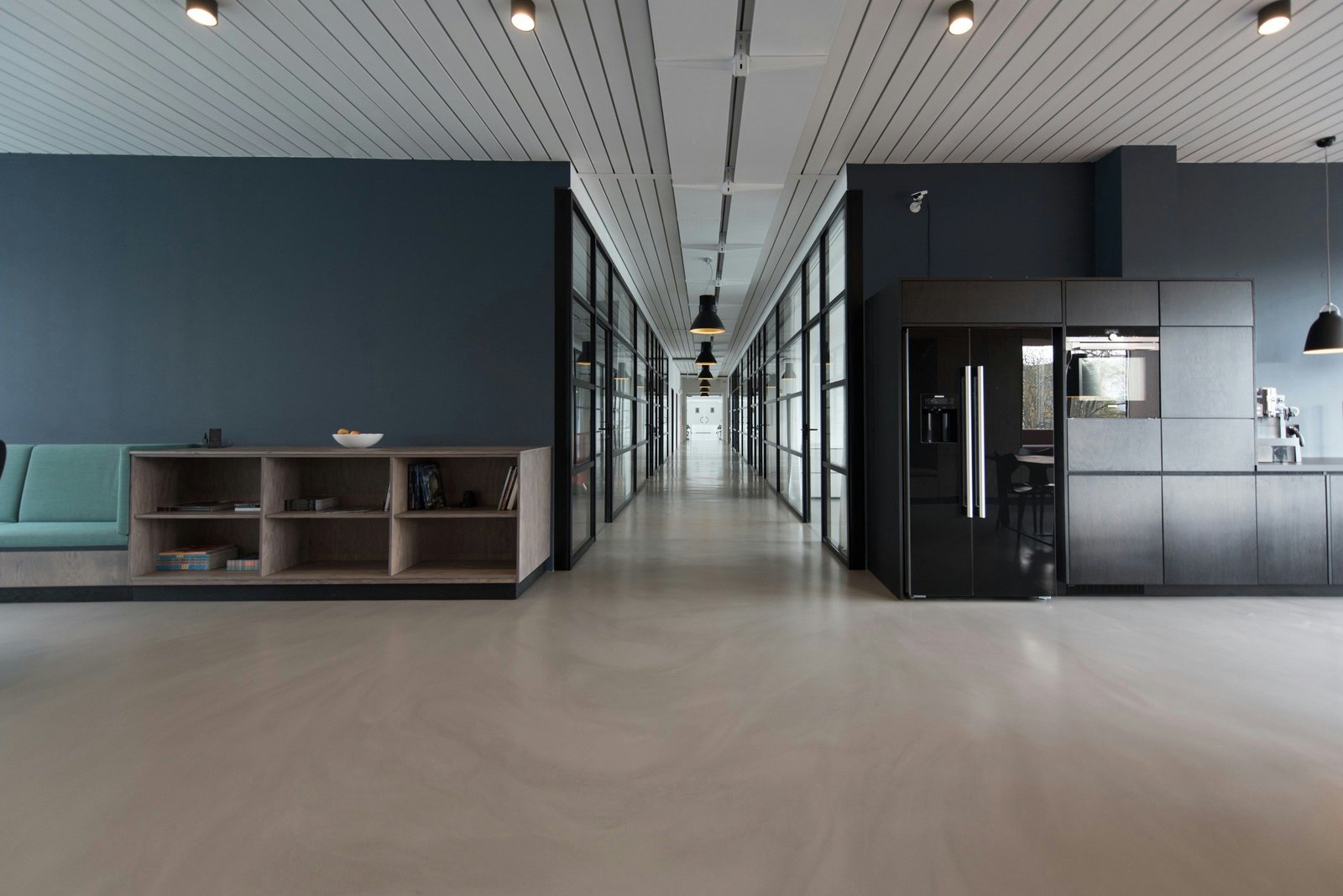
A fresh coat of paint can transform the appearance of your property, brighten interior spaces and improve the overall finish of walls and ceilings. Whether you are moving into a new home, preparing a resale property, refreshing a rented unit or upgrading an office, painting should begin with suitable surface preparation and careful material selection. Innofix Renovation provides painting services in Singapore for residential and commercial properties, including individual rooms, complete home interiors and suitable exterior surfaces. Our approach considers existing wall condition, paint compatibility, preferred colour, finish and site requirements. Surface preparation is particularly important where walls show cracks, stains, peeling coatings or uneven finishes. From HDB painting and condo repainting to landed house and office painting, we help plan suitable work for different property types.
Different properties require appropriate preparation, coating selections and access planning.
Proper surface preparation and suitable coatings contribute to a more consistent finish.
Important considerations
Improve living rooms, bedrooms, corridors and other suitable walls through appropriate preparation and painting.
Refresh ceilings showing suitable surface wear or discolouration after assessing underlying issues.
Choose suitable coatings and preparation for compatible surfaces exposed to sunlight, humidity and rain.
Use selected colours and finishes to complement surrounding interiors.
Existing surface conditions influence the preparation and coating system required.
Review existing paint, stains, cracks, peeling and possible moisture problems.
Protect nearby furniture, fixtures and floor areas during preparation and painting.
Select compatible paint products based on surface type, intended appearance and maintenance.
Apply the agreed coating system and inspect visible coverage and finishing details.
The appearance of a finished paint surface depends heavily on the condition underneath.
Before painting, inspect walls and ceilings for peeling coatings, cracks, uneven patches, stains and possible moisture-related damage.
Cleaning, filling and priming may be required depending on the existing finish and the selected coating system.
Applying paint over unresolved dampness or deteriorating material can lead to problems returning after the work is completed.
Furniture, fixtures and flooring should be protected appropriately during preparation and application.
The scope should identify the surfaces, preparation tasks, specified products and expected finishing coats rather than describing the entire job only as repainting.
Review peeling, poor adhesion and other surface conditions.
Address suitable cracks, minor defects and underlying problems where required.
Protect nearby furniture, flooring and fixtures.
Paint selection should consider lighting, room use, surface condition and maintenance.
Natural and artificial lighting can influence how a paint colour appears. A small sample may look different when applied across an entire wall.
Living rooms, bedrooms, kitchens and commercial areas can have different finishing and cleaning requirements.
When choosing colours, consider the relationship between walls, ceilings, flooring, furniture and existing fittings. A consistent palette can create a connected appearance, while selected feature walls can introduce contrast.
Different coatings have different maintenance properties. Product selection should account for the room, the surface and the expected level of use.
Final colour and finish decisions should be confirmed before the painting scope is approved.
Different building types can introduce different access, preparation and scheduling requirements.
Plan room access, surface protection and suitable finishes.
Review exposure, surface defects, access and coating compatibility.
Consider operating hours, protection of equipment and safe work arrangements.
Painting an HDB flat may involve selected rooms or a complete interior repaint. Condominiums can require management procedures, access arrangements and permitted working hours.
Landed properties may include exterior surfaces requiring suitable access and weather-resistant coating systems. Exterior defects should be assessed before new finishes are applied.
Office painting must consider existing furniture, equipment and business operations. Work phases should be planned to maintain safety and manage disruption.
For every property, the quotation should identify the painting area, surface preparation, agreed products and finishing requirements.
A final inspection should review visible coverage, colour consistency and outstanding touch-up items.
The condition of walls and ceilings has a direct influence on the appearance of a finished painting job. Before choosing colours, review existing surfaces for peeling coatings, stains, cracks, uneven patches and possible dampness.
Some defects can be addressed through appropriate surface preparation. Others may indicate a building issue that painting alone cannot resolve. Water ingress, recurring mould or persistent moisture requires investigation and suitable treatment before new finishes are applied.
Existing coatings should also be considered. The selected paint system must be compatible with the surface and any remaining previous finish.
Surface preparation can include cleaning, suitable filling, sanding and priming where required. The necessary work depends on the actual condition rather than a fixed assumption that every room needs the same preparation.
Furniture and flooring should be protected appropriately while work takes place. This is especially important in occupied homes or offices.
A clear painting quotation should identify the areas involved, intended products, preparation requirements and expected finish. Reviewing these details beforehand provides a more useful basis for comparing different painting proposals.
Paint colour can influence how a room feels, but its appearance depends on lighting, surrounding finishes and the size of the painted area. A sample shown on a small card may not look identical across a large wall.
Before confirming a colour, consider natural light, artificial lighting and the existing flooring or furniture. Rooms that receive different amounts of daylight may make the same colour appear warmer, cooler or darker.
A consistent palette can help adjoining living and dining areas feel connected. Bedrooms may benefit from colour choices that suit rest and privacy, while selected feature walls can introduce contrast where appropriate.
Finish selection is also important. Products can differ in appearance, cleaning requirements and suitability for particular surfaces.
Homeowners should consider maintenance as well as the initial visual effect. High-contact areas may need different practical characteristics from decorative walls used less frequently.
Colour choices should be confirmed before painting begins. A thoughtful selection process can reduce unnecessary repainting and help the final finish complement the intended room arrangement.
Painting an HDB flat can involve selected rooms or a complete interior refresh. The most suitable scope depends on the property's existing finishes, occupancy and the desired changes.
A newly completed BTO flat may require different preparation from an older resale unit. Existing paint, patches, stains and wall condition should be reviewed before choosing materials.
Living rooms, bedrooms and ceilings may have different exposure to wear and cleaning. Paint selections should reflect their intended use and the compatibility of the underlying surface.
Where furniture is already installed, the painting plan should include protection and practical access. If other renovation works are planned, painting may need to be scheduled after suitable preparation and installation tasks.
Homeowners should confirm the number of areas involved and the proposed coating specifications. A quotation based only on the flat type may not capture unusual preparation or repair requirements.
At completion, the visible finish should be reviewed for suitable coverage and consistency. Any outstanding touch-up work can then be recorded against the agreed scope.
Condominium painting should consider both the apartment and the development's management requirements. Access procedures, contractor information, permitted working hours and protection of common areas may apply.
The condition of existing walls and ceilings is important. A newer condominium may need selected colour changes, while a resale apartment could require more preparation due to previous coatings or surface wear.
Homeowners should decide whether to repaint the entire property or focus on individual rooms. Painting selected areas can be appropriate when other finishes remain satisfactory.
The relationship between colour, flooring, cabinetry and furniture should be reviewed before selecting the final palette. A consistent approach can help the renovated apartment feel more connected.
Where lighting or other wall and ceiling fixtures are being changed, these tasks should be coordinated with the painting schedule. It is usually undesirable to reopen newly painted surfaces for installations that could have been planned earlier.
A clear scope should identify areas, product choices and preparation. The final inspection should cover completed surfaces and any agreed outstanding finishing details.
Exterior painting on a landed property requires particular attention to exposure and existing surface condition. Singapore's sunlight, humidity and frequent rainfall can affect exterior coatings and the preparation needed.
Before painting, inspect walls for peeling, cracking, stains and areas that remain damp. A decorative coating should not be used to conceal unresolved water ingress or significant defects.
Different materials may require different preparation and compatible products. The correct coating system depends on the surface, expected weather exposure and manufacturer's requirements.
Access can also affect the work. Upper-storey walls, difficult locations and adjacent property boundaries may require additional safety planning or specialist arrangements.
Weather should be considered when scheduling suitable exterior coating activities. Preparation and application should follow the requirements of the selected materials.
Homeowners can also review how exterior colours relate to roofing, windows and other fixed building elements.
A realistic painting proposal includes surface assessment, access, preparation, materials and finishing. Where defects extend beyond surface painting, the appropriate specialist repair should be considered before proceeding.
Painting an office or commercial unit involves different operational considerations from painting an empty home. Desks, equipment, customer areas and business activities may affect when work can be carried out safely.
Before scheduling painting, identify areas that need to remain accessible and those that can be temporarily closed. Some tasks may require moving furniture or restricting access while preparation and coating activities take place.
Building management conditions may govern contractor access, protection of common areas and permitted working hours.
Commercial finishes should be selected according to the surfaces, expected traffic and cleaning needs. Reception areas and corridors may have different practical requirements from private offices.
A colour scheme can support a professional environment, but it should not interfere with visibility, safety signage or other operational needs.
Where office renovation also includes partitions, lighting or electrical work, painting should be coordinated with those activities to avoid repeated disturbance.
The quotation should identify the areas, preparation, products and work stages. A completion inspection provides an opportunity to review visible finishing details and outstanding items before the area returns to normal use.
Painting costs depend on the size and condition of the surfaces, preparation needs, selected products, access requirements and number of coats. Two properties of similar size may have different work requirements.
A room with sound existing paint may need less preparation than one with peeling coatings, stains or damaged plaster. The quotation should distinguish these situations rather than describe both as identical repainting tasks.
Product specifications matter as well. Different paints can have different intended uses and finishing characteristics.
Customers should confirm whether ceilings, doors, feature walls and selected fixtures are included in the scope. Assumptions about included areas can lead to misunderstandings during work.
Protection of floors, furniture and surrounding finishes should be considered where relevant.
A useful quotation describes preparation, materials and completion expectations clearly. Where underlying damage needs further investigation, that uncertainty should be identified before the price is finalised.
The aim is to understand what work is included and whether it is suitable for the property rather than compare only the lowest total figure.
A painting project should finish with a review of the agreed areas and visible surfaces. The inspection can identify inconsistent coverage, outstanding touch-ups, accidental marks or issues requiring clarification.
Lighting conditions can influence the appearance of painted surfaces, so a reasonable review should consider how rooms are normally used.
Customers should also receive appropriate information about coating care and any relevant curing or drying requirements. The selected products may have specific maintenance guidance.
Fresh paint does not prevent future damage caused by moisture, impact or unsuitable cleaning. Persistent dampness, recurring stains or newly developing cracks should be investigated instead of repeatedly covered with another coat.
Routine care should use products and methods appropriate to the finish. Abrasive cleaning may affect some coatings.
For exterior surfaces, owners should monitor deterioration and water-related concerns over time. The condition of the underlying building remains important even after repainting.
A properly documented completion review helps distinguish normal future maintenance from outstanding work covered by the original painting scope.
Singapore's tropical climate creates elevated humidity levels that encourage mould and mildew growth, particularly in poorly ventilated rooms, kitchens and bathrooms. Selecting the appropriate paint system begins with choosing suitable primers and anti-mould formulations.
Before applying anti-fungal paint, existing mould must be treated and eradicated rather than merely painted over. Applying coatings directly over active fungal spores leads to rapid bleed-through and coating delamination within months of completion.
Moisture meters can verify whether walls have dried thoroughly before coating begins. High moisture content within plaster or concrete causes blistering, efflorescence and discolouration as trapped water attempts to escape through the paint film.
Alkali-resisting primers and sealer coats create a stable barrier between alkaline masonry surfaces and decorative topcoats. They prevent chemical saponification and ensure consistent adhesion and uniform sheen across filled patches and virgin plaster.
Proper surface preparation combined with breathable, low-VOC anti-mould paints provides long-lasting protection while maintaining healthy indoor air quality for building occupants.
Feature walls and accent colours offer an effective method for introducing visual depth, personality and focal interest into residential and commercial interiors. A successful feature wall requires thoughtful colour contrast, precise edge masking and flawless surface preparation.
Accent walls should be positioned where natural or architectural focal points already exist, such as behind a bed headboard, television console or dining area. Applying bold colours on irregular walls with multiple openings or uneven surfaces can accentuate imperfections.
Specialist textured finishes, such as limewash, microcement effects or metallic washes, require distinct application techniques. Unlike standard emulsion paints, textured coatings often involve multiple layers, cross-hatch trowelling or specialised sponges to achieve the desired artisanal effect.
Crisp line work between adjoining walls and ceilings depends on high-grade painter's tape and proper cutting-in techniques. Removing masking tape while the topcoat remains slightly damp prevents tearing the cured paint edge.
Homeowners should inspect the feature wall under both daytime natural illumination and evening artificial lighting before signing off on the completed accent installation.
Suitable painting work for homes, offices and other properties.
Existing wall and ceiling conditions are considered before painting.
Coating requirements are reviewed around usage, finish and maintenance.
Painting can be scheduled alongside suitable renovation activities.
Share the property type, areas requiring paint and preferred colours.
Assess the existing coating and preparation requirements.
Confirm painting areas, appropriate products and proposed charges.
Protect surroundings and prepare compatible surfaces.
Apply the agreed coating system and finishing coats.
Review the completed painted surfaces.
Landed house renovation services for terrace houses, semi-detached properties and bungalows in Singapore, covering interior upgrades, kitchens, bathrooms, flooring and suitable A&A works.
Office renovation and refurbishment services in Singapore, including workspace improvements, office partitions, meeting rooms, flooring, painting and lighting.
Condominium renovation services for new and resale condos in Singapore, including kitchens, bathrooms, flooring, painting, lighting and practical interior improvements.
HDB renovation planning and improvement services for BTO and resale flats in Singapore, covering kitchens, bathrooms, flooring, painting and suitable interior upgrades.
Refresh your home or workplace with a carefully planned painting service. Share your painting requirements and preferred timeline with Innofix Renovation.