Cabinet Hinge Repairs
Adjust or replace suitable worn or damaged cabinet hinges.
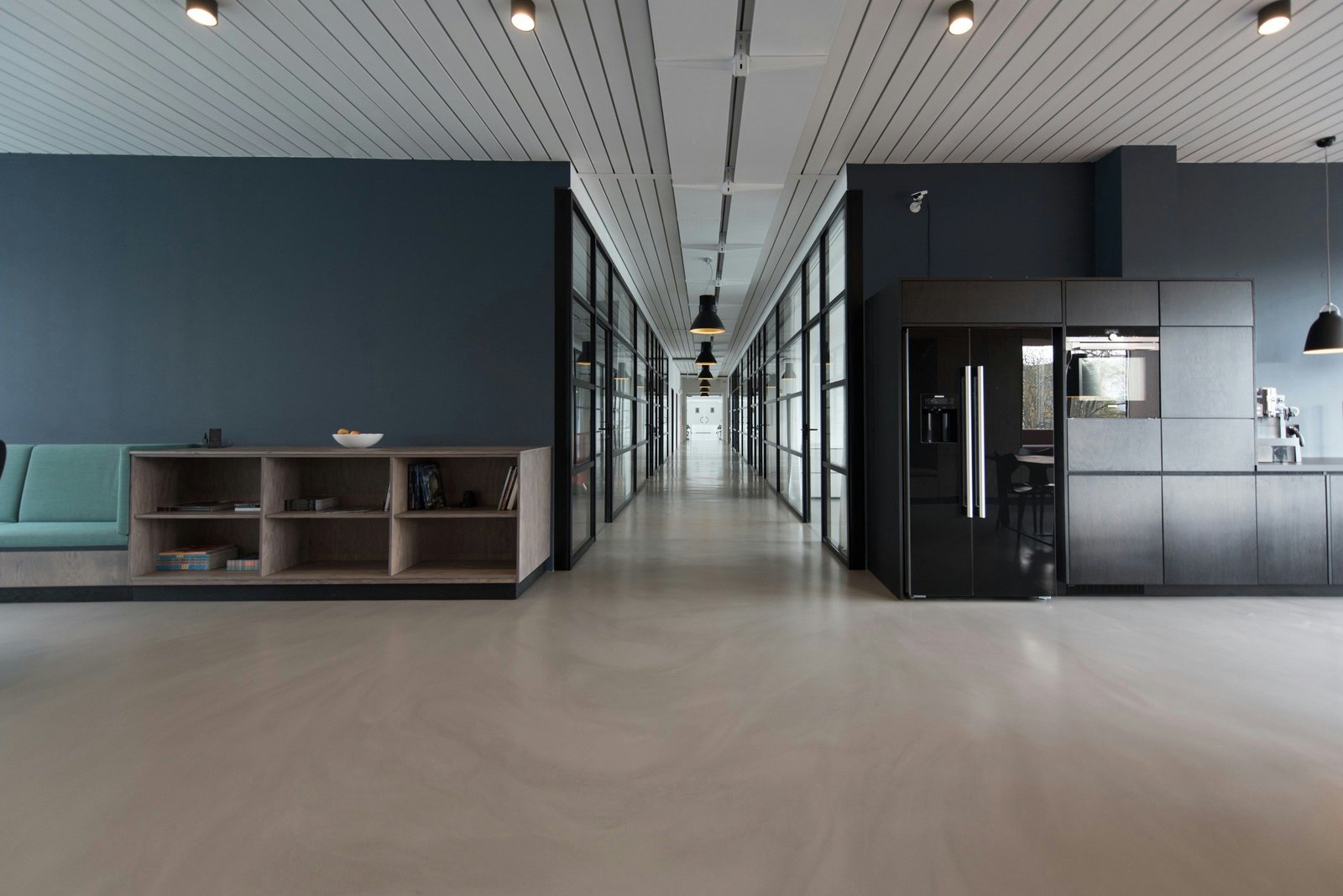
Small household repairs and installation tasks can accumulate, affecting the comfort, appearance and everyday use of a property. Whether you need furniture assembled, a loose door adjusted, shelves installed or suitable wall-mounted fixtures fitted, handyman assistance can help complete practical tasks with suitable tools and preparation. Innofix Renovation provides handyman services in Singapore for homeowners, tenants, landlords and businesses seeking support with suitable repair, installation and maintenance work. Our service focuses on common non-specialist tasks that do not require major renovation. Where requests involve regulated electrical, plumbing, structural or other specialist work, appropriately licensed or qualified professionals must be engaged. Sending a complete task list and photographs helps establish the requirements before arranging a visit.
Suitable smaller property tasks can be addressed without planning a major renovation.
Small repairs can improve everyday convenience and the usability of existing fittings.
Important considerations
Adjust or replace suitable worn or damaged cabinet hinges.
Repair or replace compatible non-regulated fixtures, brackets and hardware.
Review suitable adjustments or reinforcement for loose furniture components.
Discuss furniture assembly, shelving, door adjustments and minor workplace installations.
Providing the right information helps establish suitable work and materials before a visit.
List the repairs and installations required so the entire job can be reviewed.
Show damaged fittings, wall surfaces, product details and installation locations.
Identify any parts, brackets, fixtures or hardware already available.
Confirm condominium or office management requirements and applicable working hours.
Handyman services are useful for smaller non-regulated installation and repair tasks.
Many property maintenance jobs do not require a complete renovation. Examples include suitable furniture assembly, hinge adjustment, shelf installation and replacement of selected non-regulated fittings.
Before arranging a handyman visit, list every task and include available photographs. This helps determine whether the jobs can be completed together and what materials may be required.
Not every repair is suitable for general handyman work. Electrical, regulated plumbing, structural and other specialist activities must be referred to appropriately qualified professionals.
A practical service request identifies the existing problem, intended result and any replacement products already available.
Clear requirements can reduce repeated visits and help the work proceed more efficiently.
Describe damaged or poorly functioning fittings and their current condition.
Provide product specifications, photographs and intended locations.
Identify work requiring regulated or qualified trades.
Safe installation depends on suitable fixing methods and the condition of the supporting surface.
Wall-mounted shelves, curtain rods and decorative fixtures can require different anchors or brackets depending on the wall material and intended load.
Before drilling, concealed electrical or plumbing services should be considered. Surface condition can also affect whether a fixture is suitable for the proposed location.
Furniture assembly should follow the relevant product instructions, including any manufacturer recommendations for wall anchoring.
Homeowners should provide all supplied hardware and report missing or damaged components before installation.
A suitable installation should be reviewed after completion to check visible alignment and function.
A complete and organised task list makes repair requirements easier to assess.
Group individual jobs by room or location.
Identify fittings and replacement components already on site.
Confirm management or access requirements before the visit.
Group the intended work by room and describe what needs attention. Include details such as loose hinges, damaged handles, curtain brackets or furniture requiring assembly.
Photographs are valuable because they can show existing fittings, dimensions and the likely materials involved.
Check whether replacement parts are already available, and provide product information where relevant.
For condominiums and offices, confirm site access, contractor procedures and working-hour restrictions.
After the work, review the agreed task list and identify anything requiring separate specialist assessment.

Many homes and offices develop small maintenance problems over time. Loose hinges, unstable shelves, worn fittings and furniture requiring assembly may not justify a major renovation but can still affect everyday convenience.
A handyman service is best suited to appropriate non-regulated repair and installation tasks. Before arranging work, describe the problem and the result you want. A photograph can be more informative than a brief statement that something is broken.
Several tasks may be suitable for one visit if their requirements are known in advance. Grouping work by location and providing a complete list helps establish the scope and necessary materials.
Not every maintenance issue should be handled by a general handyman. Electrical, regulated plumbing, structural and specialist construction activities require appropriately qualified professionals.
Where an existing fixture is heavily damaged or the supporting surface is unsuitable, replacement or specialist assessment may be more appropriate than an improvised repair.
The objective is a practical, properly scoped service that addresses suitable small jobs without treating every property problem as interchangeable.
Furniture assembly should follow the product's construction method and manufacturer instructions. Tables, cabinets, shelving units and other flat-pack items can contain different components and fixing requirements.
Before arranging assembly, customers should confirm the product model, dimensions and whether the supplied components are complete. Missing fittings or damaged panels may prevent suitable completion.
The intended location matters. An assembled item may be too large to move through a doorway or may require wall anchoring that is not suitable for the available surface.
For items requiring anchoring, the wall construction and load requirements should be reviewed before installation. Manufacturer safety guidance should not be ignored merely to achieve a particular appearance.
Existing furniture may sometimes require adjustment or replacement components rather than complete reassembly. The appropriate approach depends on its condition.
Customers can make the visit more efficient by providing product instructions, identifying the intended room and ensuring reasonable access to the installation area.
After assembly, suitable visible alignment and normal operation should be reviewed, together with any manufacturer-specified anchoring requirements.
Wall mounting is not only a question of choosing a location. The surface material, intended load, fixing method and presence of concealed services can influence whether installation is suitable.
Shelves used for lightweight decorative objects may have different requirements from shelves intended to hold books or heavier equipment. The selected brackets and fixings should correspond to the product and supporting surface.
Curtain rods require attention to length, bracket position and the surrounding wall or ceiling condition. Mounting should account for the intended curtains and manufacturer specifications.
Before drilling, the possibility of concealed electrical wiring or plumbing should be considered. Where surface conditions or hidden services create uncertainty, further assessment may be necessary.
The customer should provide the relevant fixtures, product information and approximate measurements where available. This helps identify missing components or compatibility concerns.
A suitable installation aims for secure fixing, practical alignment and access for future use. The work should not proceed where a surface cannot safely support the intended fixture.
Checking requirements in advance can reduce unnecessary holes, damaged finishes and repeated installation attempts.
Doors and cabinets can become difficult to use when hinges loosen, fittings wear or components move out of alignment. The symptoms may include rubbing, uneven gaps, doors that do not close properly or loose handles.
Before replacing the entire door or cabinet, the affected fittings should be assessed. Some issues may be addressed through suitable adjustment, while others require replacement hardware.
The type of door matters. Internal timber doors, cabinet doors and specialist fire-rated doors can have different requirements. Work affecting regulated or certified assemblies must be handled appropriately rather than treated as ordinary household adjustment.
Customers should describe the symptoms and provide photographs of the hinges, handles and surrounding surfaces where practical.
Replacement parts must be compatible with the existing fitting and substrate. Installing unsuitable hardware may not address the underlying problem.
After suitable repair, normal opening, closing and alignment should be reviewed. Where the frame or surrounding structure is damaged, additional assessment may be required.
A practical repair approach focuses on identifying the cause and selecting an appropriate solution instead of replacing functional components unnecessarily.
Moving into a new property or preparing one for handover often reveals small tasks that have been postponed. Loose fittings, damaged accessories, missing shelves and furniture assembly can affect how ready the space feels.
A room-by-room checklist is useful. Walk through the living areas, bedrooms, kitchen and other spaces to identify suitable repairs or installations.
Photographs, fixture measurements and a list of available replacement parts can help define the work. Where the property is leased, tenants should also confirm responsibility and any permission needed before altering fixtures.
Not all defects can be resolved through minor handyman work. Water damage, electrical problems, significant structural concerns or regulated installations may need specialist assessment.
Owners should also consider the sequence of work. Painting or flooring activities may need to be completed before certain fixtures are installed to avoid disturbance.
A clear list helps distinguish work required for practical use from optional improvements. At completion, individual items can be checked against the agreed tasks rather than relying on a general statement that maintenance has been completed.
Small offices and commercial premises may require practical maintenance tasks between larger refurbishment projects. Suitable work can include furniture assembly, selected shelving, door adjustment and installation of compatible non-regulated fittings.
The premises' operational requirements should be considered before arranging the work. Access to desks, meeting rooms or shared facilities may be restricted during business hours.
Building management procedures can also apply. Contractors may need to follow access conditions, delivery arrangements or permitted working schedules.
A complete task list is helpful where several rooms or workstations require attention. Businesses can identify the location, relevant photographs and any replacement materials already available.
Work involving electrical installations, regulated plumbing or specialist building systems must be referred to the appropriate qualified professionals.
Minor maintenance should not interfere with fire safety equipment, emergency access or other protected installations.
After completion, the responsible staff member can review the agreed items and note any outstanding concerns. A clearly defined service helps businesses maintain practical facilities without unnecessarily turning every small repair into a full renovation project.
Before a handyman appointment, prepare a list of the intended tasks and organise available information. Each item should identify the problem, location and result expected.
Photographs can show damaged hinges, loose fittings, existing brackets or the type of wall involved. Where installation is requested, include product dimensions or model details if available.
Check that required replacement parts have been purchased or discuss whether they need to be supplied. Missing or unsuitable hardware can affect whether work is possible during a scheduled visit.
Provide reasonable access to the work area and move fragile items where appropriate. For condominiums and commercial properties, check management procedures and working-hour conditions.
The task list should distinguish simple repairs from issues involving regulated trades or potentially unsafe conditions. Do not assume a handyman can perform all forms of electrical, plumbing or structural work.
Clear preparation helps the contractor understand the scope, plan suitable equipment and provide a more meaningful quotation.
After work is completed, review each agreed task and identify anything that needs separate assessment.
Handyman costs depend on the type of work, number of tasks, required materials, location and accessibility. A simple adjustment may involve a different level of preparation from mounting several fixtures or assembling complex furniture.
Customers should request clarity about which work items are included and whether replacement parts or other materials will be charged separately.
Where a fixture is damaged, compare the suitability of repair with replacement. Some items can be adjusted, while others may have worn components that are no longer dependable or compatible.
The existing wall, frame or supporting surface can also affect the method required. Additional work should be discussed before being treated as part of the original quotation.
Avoid comparing prices solely on an advertised minimum charge without confirming what that amount covers.
Photographs and a complete task list help make the initial enquiry more specific, although certain conditions may need to be reviewed on site.
At completion, check the agreed repairs and installations. A clear record of the work helps establish what has been finished and whether further professional attention is necessary.
Window safety fittings, secondary locks and restrictors provide practical security and peace of mind for families with young children or pets. Their effectiveness depends on proper alignment, secure substrate fastening and compatibility with existing window frames.
Before installing window restrictors or casement stays, identify the frame material. Aluminium, uPVC and timber frames require different drill bits, fasteners and torque settings to avoid cracking the frame or stripping screw threads.
Security fittings should operate smoothly without interfering with emergency egress. Latches and stays should be tested across their full range of movement to ensure they hold securely while remaining easy for adults to release when necessary.
Sliding window locks and patio door bolts can also benefit from periodic inspection and adjustment. Dirt accumulation in tracks or loose strike plates can prevent locks from engaging properly, creating security vulnerabilities or operational frustration.
Homeowners should select quality stainless steel or corrosion-resistant hardware suitable for Singapore's humid environment. Professional handyman installation ensures fasteners are placed into sound structural sections of the frame rather than superficial trims.
Balconies, service yards and covered outdoor areas endure continuous exposure to rain, wind and sunlight. Outdoor blinds, clothes drying racks, garden hose reels and exterior shelving require durable fixings and periodic maintenance.
When mounting hardware to external masonry or tiled walls, drilling must be executed carefully to prevent water ingress into the underlying substrate. Using exterior-grade silicone sealants around plugs and screw penetrations prevents moisture from penetrating behind tiles or masonry finishes.
Automated and manual clothes drying systems require robust ceiling anchors capable of supporting the combined weight of the mechanism and wet laundry. Concrete ceilings, false ceilings and aluminium panels each dictate specific anchor types and load ratings.
Corrosion is a primary cause of outdoor fitting failure. Selecting 304 or 316 marine-grade stainless steel screws and brackets prevents premature rust stains from disfiguring exterior walls.
Routine inspection of outdoor brackets, pulleys and cables helps identify fraying or looseness before failure occurs. Prompt replacement of degraded fasteners maintains safety and extends the service life of exterior property amenities.
Discuss several smaller installation or repair requirements in one enquiry.
Handyman needs can be reviewed for homes and suitable office premises.
Focus on fixing or replacing items according to their actual condition.
Photos and task details help establish materials, tools and quotation needs.

Describe all required repairs and installations.
Provide images, measurements and product details where useful.
Confirm the suitability of the jobs, access and material needs.
Review the proposed scope and charges.
Complete the agreed suitable tasks.
Check the repairs and installations after completion.
Landed house renovation services for terrace houses, semi-detached properties and bungalows in Singapore, covering interior upgrades, kitchens, bathrooms, flooring and suitable A&A works.
Office renovation and refurbishment services in Singapore, including workspace improvements, office partitions, meeting rooms, flooring, painting and lighting.
Condominium renovation services for new and resale condos in Singapore, including kitchens, bathrooms, flooring, painting, lighting and practical interior improvements.
HDB renovation planning and improvement services for BTO and resale flats in Singapore, covering kitchens, bathrooms, flooring, painting and suitable interior upgrades.
Send your handyman task list and photographs to Innofix Renovation to discuss the work required.